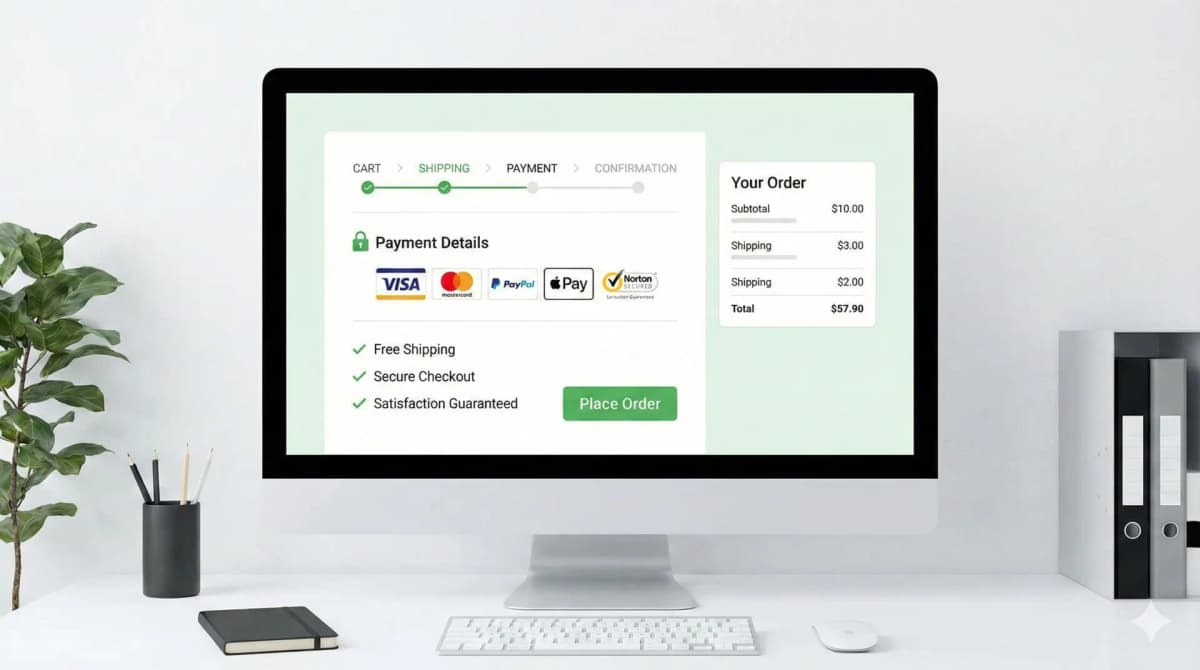
Navigating High-Risk Payment Processing: A Guide for NSFW-Adjacent E-commerce
Struggling to find a payment processor for your high-risk or NSFW-adjacent store? Discover reliable solutions and strategies to secure stable processing.
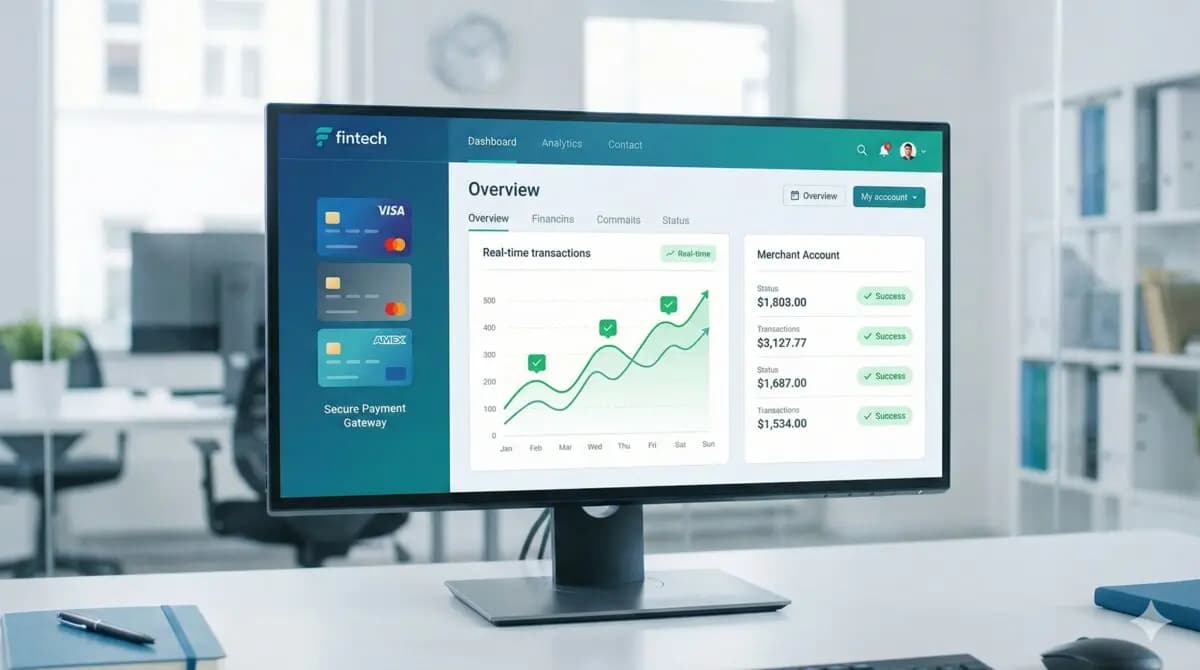
Why mainstream processors drop these merchants
Stripe and PayPal don't ban high-risk merchants because the business is illegal. They ban them because a compliance bot matched a product description, a chargeback ratio, or an MCC code against an internal policy list, and shutting you down is cheaper for them than reviewing your case. I've had clients wake up to a frozen balance and a 90-to-180-day hold on funds they'd already counted as revenue. No phone call, no appeal that goes anywhere fast.
That's the part people underestimate. The risk isn't getting declined at signup. It's getting approved, running for three months, scaling spend, and then losing the account at the worst possible moment with cash still trapped inside it.
I've set up payments for stores in niches most processors won't touch — supplements, vape-adjacent, adult-adjacent retail, "wellness" products that sit in a gray zone. Here's how I think about it.
What "high-risk" actually measures
Banks score two things, and it helps to keep them separate in your head.
Regulatory and reputational risk. Industries with messy legal frameworks (CBD, vape, nutraceuticals) or product categories conservative banking partners simply don't want their name near (adult toys, NSFW-adjacent content). The product can be perfectly legal and still get rejected because a sponsoring bank decided it's not worth the headline risk.
Financial risk. Categories with a track record of chargebacks: subscriptions, coaching, dropshipping, anything with a free trial or a recurring rebill. The bank is pricing the probability that you'll generate disputes faster than you generate clean settlements.
"NSFW-adjacent" lands in the gray zone almost by definition. You might be selling lingerie, romantic wellness products, or artistic content that isn't explicit. Doesn't matter to an automated reviewer. The bot pattern-matches on keywords and category, and a human rarely looks before the ban lands.
Aggregators are the trap
Stripe, PayPal, and Square are payment aggregators. They onboard you into a shared merchant account in minutes with almost no vetting, which is exactly why they feel so easy. The catch is that the real underwriting happens after you start processing. Hit a volume threshold or trip a manual review, and they reassess your business against their acceptable-use policy. If you don't fit, they freeze and exit — often with a reserve held against future disputes.
So the rule I give clients: if your category sits anywhere in the gray zone, don't build your business on an aggregator alone. You want a dedicated merchant account with a bank that already knows what you sell and signed off on it. Getting the underlying account right matters more than the checkout polish — I cover the broader decision in my payment gateway selection guide.
Processors worth a look for high-risk stores
On Shopify or a custom build, you need a gateway that explicitly accepts high-risk merchants and a backend bank that won't drop you later. A few I've worked with or routinely point clients toward:
Authorize.Net (gateway, not the account)
Authorize.Net is a gateway, not a merchant account. It connects your store to a backend processor, and the flexibility is the point — you can pair it with a high-risk-friendly merchant bank while keeping a familiar checkout. It plays nicely with Shopify and most custom carts.
Best for: stores that want a standard checkout experience sitting on top of a high-risk backend.
eMerchantBroker (EMB)
EMB specializes in getting accounts approved for difficult verticals — adult, vape, and others that get bounced elsewhere. They integrate with Shopify through third-party gateway connections rather than as a native option.
Best for: merchants who've already been rejected somewhere, or who carry chargeback history they need underwriting to look past.
PaymentCloud
PaymentCloud tends to assign a dedicated account manager, which is genuinely rare in this corner of the industry. That human matters for adjacent brands, because a person can read the nuance in a product line that a policy filter never will.
Best for: gray-zone catalogs where someone needs to actually understand what you sell before approving.
CCBill
If your business leans toward the harder end of adjacent — dating, digital adult content — CCBill is the long-standing specialist. Fees run higher, but their tolerance for that category is far above what a standard bank will entertain.
Note that none of these are fixed recommendations. Approval depends on your specific catalog, volume, and history, and the right fit shifts as banks change their appetite. Treat this as a starting shortlist, not a ranking.
What actually gets you frozen
This is the section I wish more merchants read before they sign up. The account rarely dies because of the product itself. It dies because of operational signals the bank reads as fraud or instability:
- A sudden volume spike. You ran a great ad and 5x'd your daily processing overnight. To an underwriter that looks like a bust-out, not a win. Ramp gradually after a new account opens.
- A billing descriptor the customer doesn't recognize. If your store is "Luna Wellness" but the charge reads "GLX-PYMTS-44," half your buyers will dispute it as fraud. Vague descriptors are a top driver of chargebacks.
- Crossing the chargeback threshold. Card networks flag merchants above roughly 1% of transactions disputed. High-risk processors tolerate higher fees, but they do not tolerate that ratio. Cross it and you're into monitoring programs, then termination.
- Misrepresenting the catalog at signup. Disguise what you sell to slip through underwriting and you'll get caught at the first manual review — and end up on the MATCH list (Terminated Merchant File), which makes getting processing anywhere else extremely hard.
The freeze is almost always a story about disputes and surprises, not about morality.
Getting approved without drama
High-risk onboarding is real underwriting. Expect to hand over bank statements, prior processing history, and ID. To improve your odds:
- Be transparent about the catalog. If you sell lingerie, say lingerie. Hiding it doesn't protect you; it sets up the termination later and risks the MATCH list.
- Engineer your chargebacks down before you apply. Clear billing descriptors, responsive support, accurate product photos, and obvious refund paths. A clean dispute ratio is the single most persuasive thing an underwriter sees.
- Tighten your policy pages. Refund Policy, Privacy Policy, and Terms of Service should be visible and specific. Banks read these as a proxy for whether you run a legitimate operation.
- Reduce disputes at the source. A confusing checkout generates support tickets and chargebacks; the two are linked. I walk through the patterns that keep buyers from disputing in my notes on checkout best practices.
The cost is continuity insurance
High-risk processing costs more — commonly several points above standard card rates, plus the likelihood of a rolling reserve, where the processor withholds a percentage of each batch for a set period as a buffer against disputes. That reserve stings on cash flow, but it's also what lets the bank keep you when an aggregator would have cut you loose. You're paying for the account to still be there next quarter.
If you're not sure which category your catalog falls into or whether a processor will accept it, that's worth pinning down before you build anything else. You can sanity-check store and payment questions against my Ask Shopify tool.
Pre-launch payment review
I verify processor fit before any theme polish, because a beautiful checkout means nothing if processing gets interrupted. Before scaling traffic:
- Confirm the processor accepts your exact product category, in writing, not just "high-risk friendly" in marketing copy.
- Keep policy pages specific and visible.
- Document your chargeback and refund process so support handles disputes consistently.
- Use accurate product naming during underwriting — no euphemisms that read as evasion.
- Have a second processor or operational plan ready before you scale ad spend.
FAQ
Is "high-risk" the same as illegal? No. It's a banking classification based on regulatory complexity, reputational sensitivity, and chargeback history. Plenty of fully legal businesses carry the label.
Can I just use Stripe and hope it's fine? You can start, but the underwriting catches up. If your category is in the gray zone, plan for a dedicated merchant account so a sudden freeze doesn't take the business down with it.
What's a rolling reserve? The processor holds back a percentage of your sales for a fixed window (often six months on a rolling basis) as a cushion against future chargebacks. It's standard in high-risk and worth modeling into your cash flow.
Why do high-risk fees run higher? You're pricing in dispute risk and account stability. The premium over standard rates is effectively the cost of keeping processing that won't get pulled mid-scale.
What's the MATCH list? A card-network database (formerly TMF) of terminated merchants. Landing on it makes getting a new account almost impossible, which is why honest underwriting and low chargebacks matter from day one.
Want this built for you instead of DIY?
I'm Karan — a Top Rated Plus Shopify Expert ($300K+ earned, 100% Job Success). If you'd rather hand this to someone who's done it hundreds of times, let's talk.
🛠️E-commerce Tools You Might Like
Tags
📬 Get notified about new tools & tutorials
No spam. Unsubscribe anytime.
Comments (0)
Leave a Comment
No comments yet. Be the first to share your thoughts!